When Is Tree Felling Necessary for a Residential Property?
Trees provide shade, privacy and natural beauty, making them an important feature of many residential gardens. However, there are situations where keeping a particular tree may become impractical or unsafe. Disease, structural damage, restricted space and potential risks to nearby buildings can all make tree felling a necessary consideration.
For homeowners in Cranfield, Bedfordshire, understanding when a tree may need to be removed can help protect their property and maintain a safe, usable outdoor space. While pruning and other tree surgery techniques can resolve many problems, some circumstances require a more comprehensive approach.
When a Tree Becomes Structurally Unsafe
One of the main reasons for arranging professional tree felling is a serious structural problem. Trees can become unstable due to internal decay, damaged roots, weakened branches or deterioration of the main trunk.
Some warning signs include:
- Large cracks or splits in the trunk.
- Significant sections of dead or decaying wood.
- A noticeable change in the tree’s position or lean.
- Major branches showing signs of weakness.
- Visible root damage or movement around the base.
These signs do not automatically mean a tree must be removed, but they should be assessed by a qualified tree surgeon. If the tree presents a significant risk and cannot be made sufficiently safe through pruning or other work, felling may be the most appropriate solution.
When Disease or Decay Has Seriously Affected a Tree
Tree diseases and fungal infections can gradually weaken a tree, sometimes affecting its internal structure before obvious external symptoms appear. Fungal growth around the trunk or roots, extensive deadwood, discoloured foliage and declining growth may indicate an underlying problem.
The impact depends on the type of disease, how far it has progressed and which parts of the tree are affected. In some cases, targeted pruning or ongoing management can help preserve the tree.
However, where decay has substantially compromised its stability or continued health, removal may be necessary. A professional assessment helps establish whether the tree can be retained safely or whether tree felling should be considered.
When Tree Roots Begin Affecting Buildings or Surrounding Areas
Tree roots naturally spread in search of water and nutrients. Depending on the species, soil conditions and available space, root growth can sometimes contribute to problems around paths, patios, walls and other garden features.
Roots may also exploit existing weaknesses in drainage systems or affect nearby structures where conditions allow. It is important to establish the actual cause of any damage rather than automatically blaming the nearest tree.
If a tree is unsuitable for its location and cannot be managed through other methods, felling may be considered. A tree surgeon can assess the situation and explain the most suitable course of action.
When a Tree Has Outgrown Its Available Space
Some trees eventually become too large for the gardens in which they were originally planted. Excessive growth can reduce natural light, restrict access, interfere with outdoor living areas and bring branches into contact with buildings.
In many situations, crown reduction or selective pruning can control the size and shape of a tree without removing it entirely.
However, if the species is unsuitable for the available space or repeated maintenance cannot provide a practical long-term solution, removal may be more appropriate. This is particularly relevant when planning improvements to a residential garden in Cranfield, Bedfordshire.
When Storm Damage Has Caused Severe Deterioration
Strong winds and storms can cause substantial damage to residential trees. Branches may split, trunks can crack and root systems may become disturbed, leaving the tree in an unstable condition.
A damaged tree does not always need to be felled. Depending on the extent of the damage, a tree surgeon may be able to remove hazardous branches, reduce the crown or carry out other remedial work.
Where the main trunk or root system has been severely compromised, however, retaining the tree may no longer be a safe option. Prompt professional assessment is particularly important if a damaged tree is close to a home, driveway or frequently used garden area.
When Tree Felling Is More Appropriate Than Pruning
Tree pruning and tree felling serve different purposes. Pruning involves removing selected branches to improve the tree’s condition, manage its shape or reduce specific hazards. Felling involves removing the entire tree, usually when retaining it is no longer suitable.
The decision should be based on the tree’s health, structural condition, location and the risks it presents. Removing a healthy tree simply because it has become inconvenient is not always necessary, as alternative tree surgery techniques may achieve the desired result.
An experienced tree surgeon can assess the available options and recommend an approach that considers both safety and the surrounding landscape.
Why Professional Tree Felling Matters
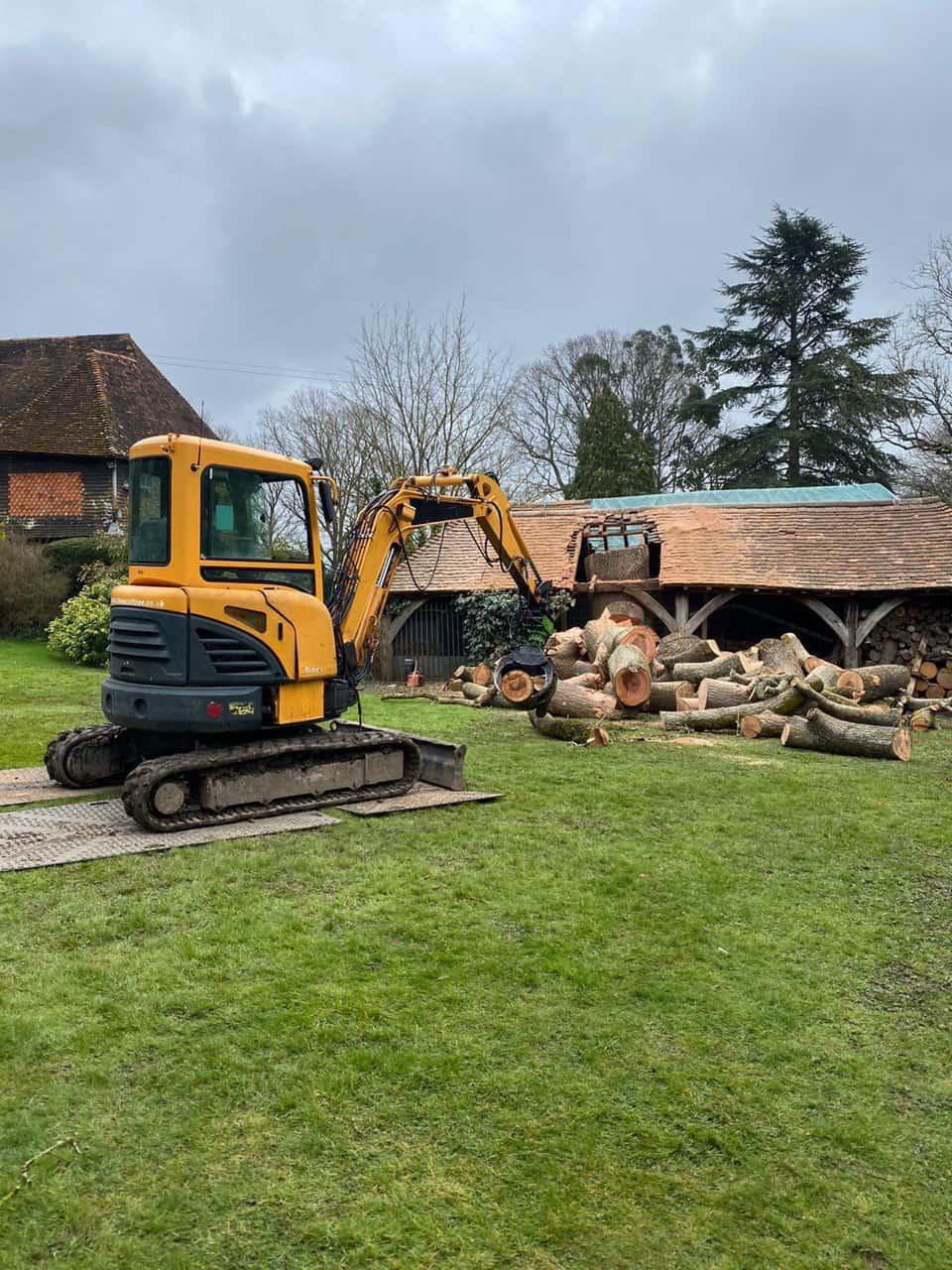
Tree felling in a residential garden requires careful planning, particularly where buildings, fences, neighbouring gardens and other obstacles are nearby. The tree’s size, condition, direction of growth and available working space all influence how the removal should be carried out.
Professional tree surgeons use appropriate equipment and controlled techniques to dismantle or fell trees safely. They can also assess whether sections need to be removed individually rather than bringing the entire tree down in one movement.
Cranfield Tree Surgeons provides professional tree surgery services in Cranfield, Bedfordshire, helping homeowners manage trees that have become damaged, unsuitable or potentially hazardous.
Conclusion
Tree felling may become necessary when a tree is structurally unsafe, severely affected by disease, extensively damaged by storms or no longer suitable for its surroundings. However, removal should always be considered carefully, as pruning and other tree surgery methods may provide an effective alternative.
If you are concerned about a tree on your residential property in Cranfield, Bedfordshire, contact Cranfield Tree Surgeons to arrange a professional assessment and discuss the most suitable solution for your garden.
Call us on: 01234 860 988
Click here to find out more about Cranfield Tree Surgeons
Click here to complete our contact form and see how we can help with your tree care needs.